

Compliance That Fits E-Freight ERP Users
How Advintek's E-Freight EFC-ERP E-Invoicing Operates
- Freight Billing Capture: Information associated with applicable jobs, shipments, customers, charges, and billing activity is identified as the source for the electronic invoicing process.
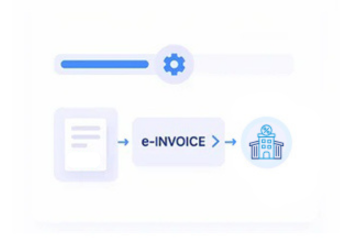
- Invoice Data Preparation: Selected billing details are organized into an invoice-ready data set, with the process designed around the information required for the intended electronic invoice.
- Required Data Validation: Validation rules can be applied to relevant invoice information before electronic processing, helping identify missing, inconsistent, or unsuitable data that may require attention.
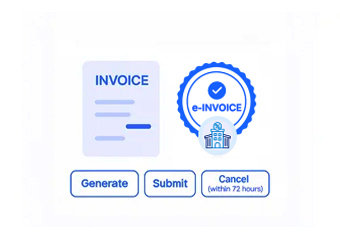
- Invoice Creation and Exchange: Validated information is converted into the appropriate structured electronic invoice representation and passed through the configured electronic invoicing workflow.
- Processing Results Tracking: Transmission responses, invoice statuses, and exceptions can be captured for follow-up, allowing finance and billing teams to understand the outcome of each electronic invoice transaction.
What Can the E-Freight EFC-ERP Connector Support
EFC-ERP invoice integration connects freight billing with electronic invoicing, reducing manual re-entry while helping Advintek organize, structure, exchange, and monitor relevant shipment, customer, charge, and invoice information through defined workflows.
- Extract applicable billing information from EFC-ERP
- Map freight invoice data to required structures
- Prepare electronic invoices for exchange
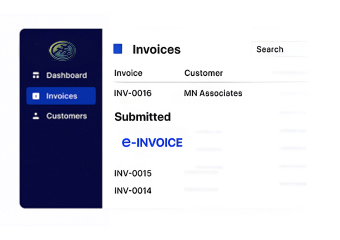
- Track processing responses and invoice exceptions
Reasons E-Freight EFC-ERP Users Prefer Advintek
- Shipment-to-Invoice Consistency — Keep relevant freight billing information connected to the invoice preparation process so teams can work from established shipment and job data.
- Less Repetitive Invoice Preparation — Reduce unnecessary re-entry of applicable billing information when preparing electronic invoices from existing EFC-ERP records.
- Better Freight Billing Coordination — Establish defined handoffs between operations, billing, accounting, and electronic invoice processing.
- Clearer Exception Handling — Give teams a structured way to identify processing responses, rejected information, validation issues, and transactions requiring review.
- Support for Higher Invoice Volumes — Design processing workflows that can accommodate recurring freight invoices as transaction volumes and business requirements change.
Strengthen Bulgaria E-Invoicing with EFC-ERP
Freight Invoice Validation
Validate invoice data, including customers, charges, references, and required billing information accurately.
Invoice Monitoring and Reporting
Track invoice statuses, responses, exceptions, and transaction references for review and reporting.
Ongoing EFC-ERP Support
Support connector updates, workflow changes, troubleshooting, configuration reviews, and ongoing maintenance services.
Designed for E-Freight EFC-ERP Clients in Bulgaria
Bulgarian freight forwarders, logistics organizations, shipping businesses, and finance teams using E-Freight EFC-ERP can incorporate electronic invoicing into established billing processes. The approach can be adapted to the organization’s transaction flow, electronic invoice requirements, and connected systems.
- Freight forwarders managing shipment billing
- Logistics teams processing recurring invoices
- Finance teams handling electronic transactions
- Shipping businesses connecting billing with e-invoicing
Create a Practical E-Invoicing Workflow for Freight Data
Transform Freight Billing Through EFC-ERP E-Invoicing Solutions Across Bulgaria
Connect EFC-ERP E-Invoicing with Advintek Support
Ready e-Invoice System
Frequently Asked Questions E-Freight ERP E-Invoicing Bulgaria
What is E-Freight EFC-ERP e-invoicing in Bulgaria?
E-Freight EFC-ERP e-invoicing connects freight billing information with electronic invoice workflows. It can use shipment, job, customer, charge, and accounting data to prepare structured invoice information for electronic processing while keeping existing freight billing activities connected.
How does E-Freight EFC-ERP support electronic invoicing?
E-Freight EFC-ERP can provide relevant freight billing information for electronic invoice preparation, including shipment references, customer details, charges, amounts, and transaction records. An integrated workflow can validate, structure, exchange, and monitor applicable invoice information.
Can E-Freight EFC-ERP integrate with e-invoicing systems?
Yes, E-Freight EFC-ERP can be connected with an appropriate electronic invoicing environment through a defined integration approach. The setup can consider available interfaces, invoice data requirements, business rules, exchange methods, and the systems used by the organization.
How can e-invoicing improve freight billing processes?
Electronic invoicing can reduce repetitive invoice data entry by using relevant information already available within freight billing processes. It can also provide structured validation, electronic exchange, status monitoring, exception tracking, and clearer transaction records for billing and finance teams.
How can Advintek help with EFC-ERP e-invoicing in Bulgaria?
Advintek can help Bulgarian freight and logistics businesses assess EFC-ERP billing workflows, identify relevant invoice data, define integration requirements, configure processing stages, and support electronic invoice exchange, monitoring, troubleshooting, and ongoing maintenance according to business needs.