

Compliance That Fits MYOB Users
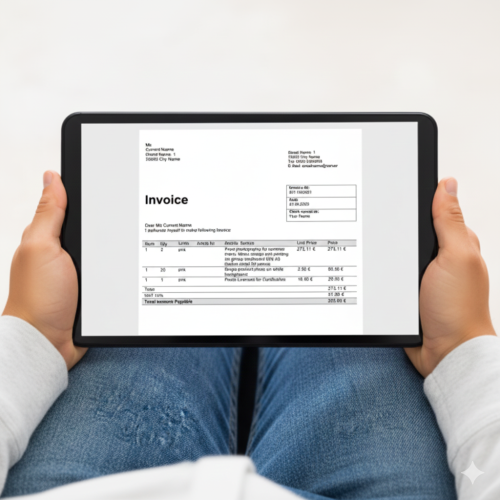
How MYOB Processes Bulgaria Electronic Invoices
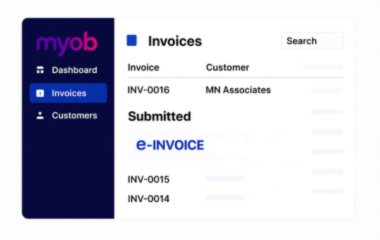
- Identify Billing Entries: Identify eligible MYOB sales and accounting entries requiring Bulgaria electronic invoice processing through Advintek.
- Review Account Context: Examine customer, item, VAT, ledger, and transaction information before constructing the electronic invoice.
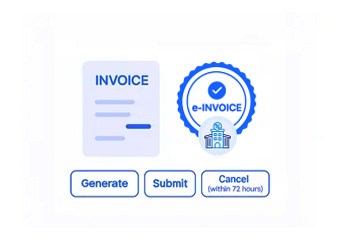
- Assemble Invoice Details: Combine approved accounting information with customer, product, tax, and financial references for processing.
- Validate VAT Attributes: Validate applicable VAT information and required invoice fields before routing records through Advintek.
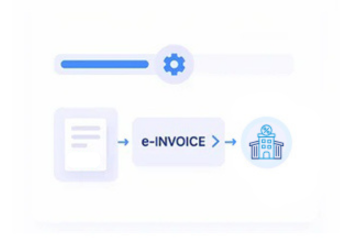
- Process Electronic Records: Route validated MYOB information through Advintek for structured Bulgaria electronic invoice processing and responses.
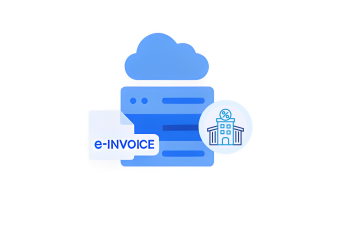
- Reconcile Returned Information: Associate processing results with MYOB transactions and accounting records for reconciliation and financial review.
Why MYOB Supports Bulgaria Accounting
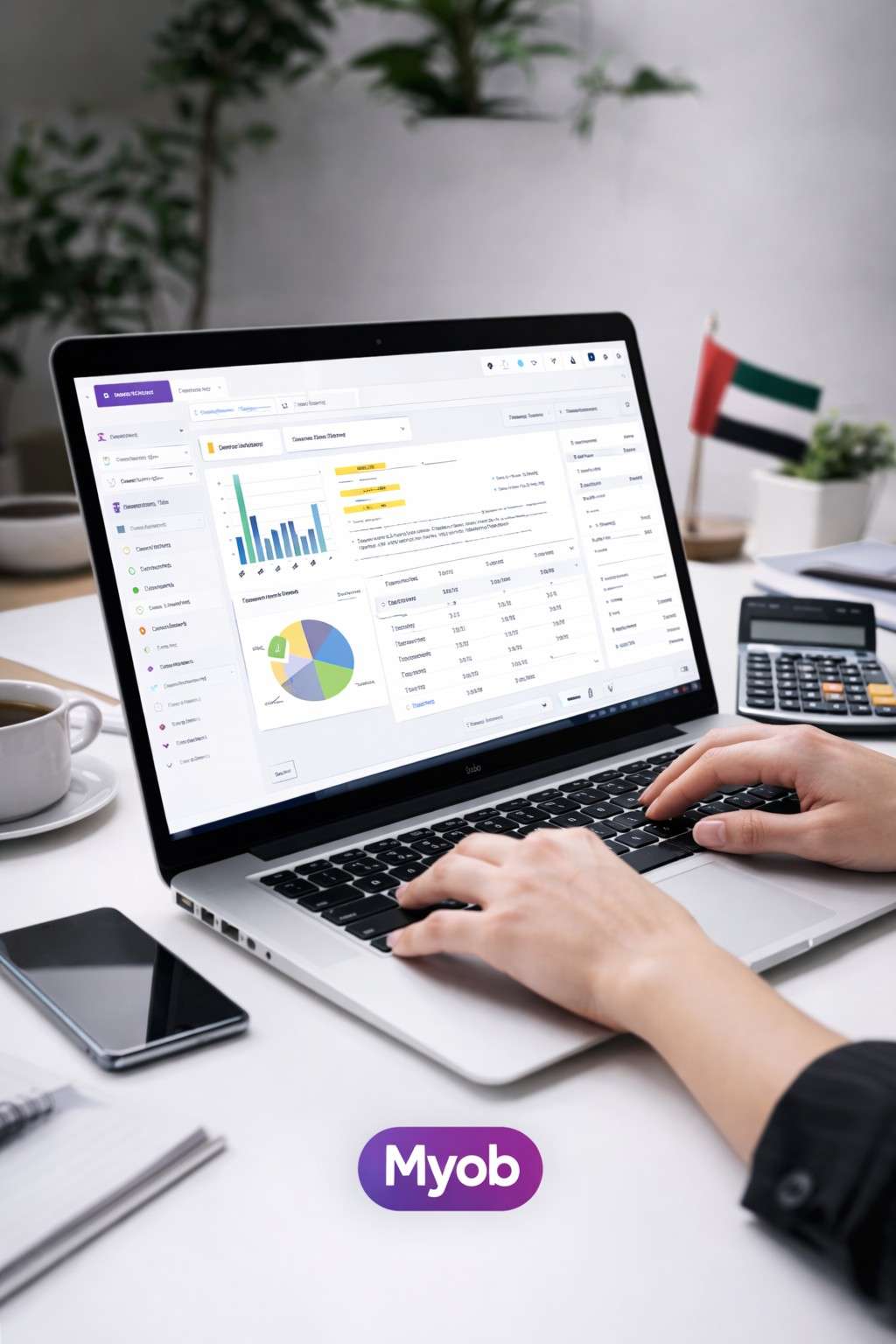
Advintek connects MYOB accounting records with Bulgaria electronic invoicing while linking customer, sales, VAT, and ledger information across financial workflows.
- Ledger accounts establish financial classification context
- Customer files identify relevant billing relationships
- Journal entries strengthen transaction traceability
- VAT records support fiscal review
Why MYOB Strengthens Financial Controls
- Ledger Movement Analysis: Examine account movements across revenue, receivables, expenses, and other financial classifications for planning.
- Debtor Balance Review: Assess outstanding customer balances and collection activity across MYOB accounting records for financial oversight.
- Expense Category Comparison: Compare expense activity across accounting categories to identify changing operational spending patterns.
- Journal Posting Assessment: Review journal posting activity for unusual entries, classification differences, and accounting control requirements.
- Revenue Period Analysis: Analyze revenue across accounting periods to identify seasonal changes and business performance patterns.
- Invoice Reconciliation Monitoring: Monitor differences between MYOB transactions and processed invoice records for timely financial investigation.
Everything You Need for Bulgaria E-Invoicing in One Place
Cash Flow Movement Signals
Highlights changing cash flow patterns across receivables, revenue, expenses, and accounting periods.
Debtor Concentration Patterns
Reveals customer balance concentration to support collection planning and financial exposure assessment.
Expense Growth Indicators
Shows changing expense activity across accounting categories for budgeting and operational planning decisions.
MYOB Uses Across Bulgaria Finance
MYOB can connect accounting, customer records, sales, VAT, journals, receivables, and financial reporting with Bulgaria electronic invoicing workflows.
- Accounting entries support structured billing administration
- Customer balances inform receivable management
- Sales records provide invoice source context
- Journal activity strengthens financial reconciliation
To Avoid Last-Minute Compliance Issues
Connect MYOB with Bulgaria e-invoicing through Advintek today.
Link accounting data with Bulgaria billing workflows.
Ready e-Invoice System
Frequently Asked Questions MYOB e-Invoicing Bulgaria
What MYOB accounting records can support Bulgaria e-invoicing?
MYOB can provide customer records, sales transactions, ledger accounts, journal entries, VAT information, item details, receivables, and invoice records that may contribute to electronic invoice preparation. Advintek can coordinate applicable MYOB data with Bulgaria e-invoicing workflows while maintaining relationships between accounting transactions and processed electronic invoices.
How can MYOB ledger accounts support electronic invoice processing?
Ledger accounts provide financial classification for transactions recorded within MYOB. They can help establish the accounting context surrounding sales and billing activity. Advintek can associate relevant ledger information with eligible transactions, helping businesses connect electronic invoice processing with the underlying accounting structure.
Where does VAT information enter MYOB billing workflows?
VAT information can be associated with relevant MYOB transactions and accounting records before electronic invoice processing. Applicable tax classifications, transaction values, customer information, and item details may contribute to invoice preparation. Advintek helps coordinate relevant MYOB VAT information with Bulgaria electronic invoicing workflows.
Could MYOB journal entries help reconcile electronic invoices?
Journal entries can provide accounting context for transactions associated with invoicing activity. Comparing journal information with processed invoice references can help finance teams identify discrepancies and support reconciliation. Advintek connects relevant MYOB accounting records with electronic invoice outcomes, providing clearer transaction relationships for financial review.
Why integrate MYOB with Bulgaria e-invoicing software?
Connecting MYOB with Bulgaria e-invoicing software allows businesses to coordinate accounting, sales, customers, VAT information, receivables, and financial records within structured electronic billing workflows. Advintek provides the integration layer for connecting MYOB transaction data with Bulgaria e-invoicing processes while supporting traceability across accounting operations.