

Compliance That Fits ECI M1 ERP Users
How ECI M1 Processes e-Invoices
- Transaction Data Capture: ECI M1 provides customer, product, sales, inventory, pricing, tax, and transaction information for processing.
- Order Record Association: Sales orders connect with customer and financial records for coordinated electronic invoice preparation and reconciliation.
- Invoice Information Validation: Relevant transaction details undergo structured checks for completeness, VAT information, accuracy, and Bulgarian invoicing requirements.
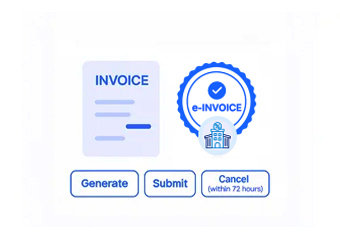
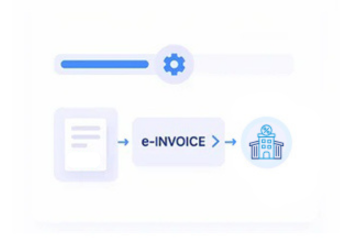
- Electronic Invoice Assembly: Verified ERP information is organized into structured electronic invoice records for controlled downstream processing.
- Document Submission Routing: Prepared invoice records follow supported electronic channels with traceable processing and response visibility throughout.
- Financial Record Matching: Completed invoices remain associated with originating ERP transactions, supporting reconciliation, accounting review, and reporting.
Advintek Integration Within ECI M1
Advintek connects ECI M1 sales, inventory, customer, and financial records with Bulgarian e-invoicing workflows, creating structured processing and clearer control across ERP-driven billing operations.
- Connects sales records with invoices
- Validates transaction and VAT information
- Links invoices with ERP records
- Monitors document processing and responses
ECI M1 Benefits for Businesses
- Integrated Sales Administration: ECI M1 sales information connects with invoicing processes, supporting coordinated administration across customer and financial records.
- Inventory Transaction Alignment: Product and stock information can remain associated with sales transactions, improving consistency across ERP invoice workflows.
- Structured Invoice Verification: Transaction details undergo systematic validation before processing, helping identify incomplete or inconsistent billing information.
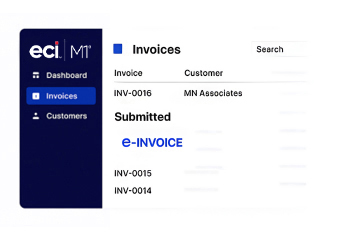
- Centralized Document Visibility: Teams can monitor invoice stages, validation results, transmission activity, responses, and processing exceptions efficiently.
- Customer Account Consistency: Customer records connect with sales and invoice information, supporting accurate billing administration and financial reconciliation.
- Bulgarian Tax Processing: Structured workflows accommodate relevant Bulgarian VAT information and electronic invoicing processes within ECI M1 operations.
Bulgaria e-Invoicing Capabilities for ECI M1
Stock Transaction Mapping
Connects item movements, quantities, prices, and sales information with corresponding invoice transaction records.
Distribution Order Linking
Associates customer orders with products, delivery information, and invoice records for coordinated processing.
Account Ledger Association
Relates invoice activity with relevant customer and financial records for stronger accounting visibility and reconciliation.
ECI M1 Operations Across Bulgaria
ECI M1 supports coordinated retail and distribution activities, while Advintek connects operational transactions with Bulgarian e-invoicing processes for consistent billing, tax handling, and financial reconciliation.
- Coordinate distribution sales with invoices
- Align stock records with billing
- Review VAT fields before submission
- Reconcile customer transactions with invoices
Through Your ECI M1 System
Connect ECI M1 transactions with structured Bulgarian invoice processing today.
Start coordinated ERP e-invoicing through Advintek.
Ready e-Invoice System
Frequently Asked Questions ECI M1 ERP E-Invoicing Bulgaria
What ECI M1 information can Advintek use for e-invoicing?
Advintek can work with relevant ECI M1 information such as customer records, sales transactions, products, quantities, pricing, inventory references, VAT details, and financial information. These ERP records can be organized for Bulgarian electronic invoice processing while preserving connections between invoice documents and their originating business transactions.
How does ECI M1 connect sales transactions with invoices?
ECI M1 sales information can be associated with customer, product, order, and financial records before electronic invoice processing. Advintek uses these relationships to organize invoice information, validate relevant fields and NRA-related tax details, route documents through supported workflows, and maintain transaction references for accounting review and reconciliation.
Can ECI M1 support inventory-based invoice processing?
Yes. Inventory and product information can form an important part of ECI M1 sales transactions. Advintek can associate item identifiers, quantities, pricing, and related sales information with invoice records, helping businesses maintain consistency between inventory activity, customer billing, and financial documentation within Bulgarian e-invoicing workflows.
Where does VAT validation fit into ECI M1 workflows?
VAT information can be reviewed before an ECI M1 invoice proceeds through electronic processing. Advintek checks applicable transaction and invoice fields, helping identify incomplete or inconsistent tax information. This creates a structured validation stage between ERP transaction data and Bulgarian electronic invoice processing.
Why integrate Advintek with ECI M1 in Bulgaria?
Advintek provides an integration layer connecting ECI M1 ERP information with Bulgarian e-invoicing workflows. It helps organize sales and customer data, associate inventory records, validate VAT details, route invoices, monitor responses, and support reconciliation, giving finance and operations teams greater visibility across their existing ERP-based invoicing processes.